
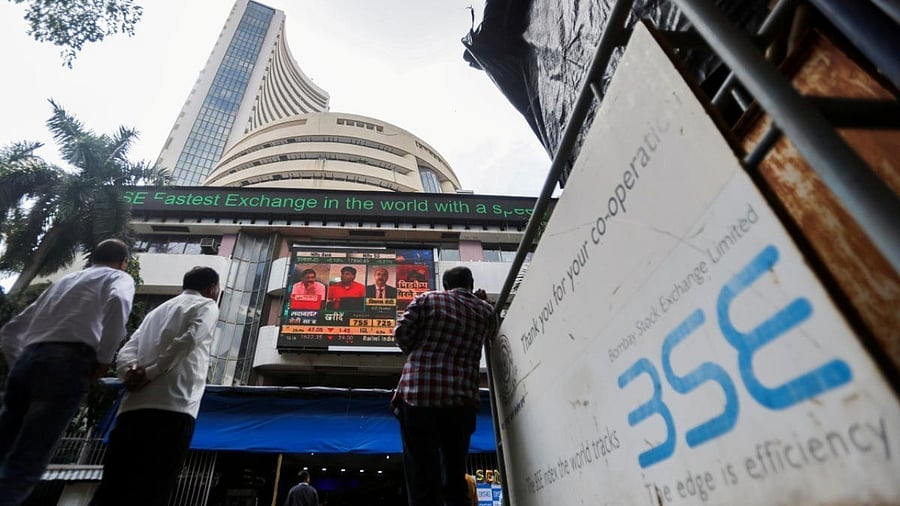
BSE building.
Credit: Reuters Photo
The Bombay Stock Exchange (BSE) on Monday issued a public warning after a deepfake video falsely portraying its Managing Director and CEO Sundararaman Ramamurthy, began circulating on social media and messaging platforms.
According to the exchange, the video is entirely fake and unsauthorised and misleadingly shows the BSE chief offering stock recommendations and investment advice — something BSE officials are strictly prohibited from doing.
In an official statement, BSE clarified that the manipulated video makes false promises of extraordinary returns, including claims that investors could accumulate Rs 8 million by 2027, and nudges viewers to join a WhatsApp channel for so-called “investment tips.”
“These claims are fabricated and fraudulent,” the exchange said, urging investors to remain cautious and avoid engaging with such content.
BSE reiterated that it does not endorse any stock tips or investment schemes and advised the public to rely only on official communication channels for authentic information.
BSE said the exchange is taking necessary steps to have the fake content removed from social media platforms and to initiate appropriate legal action against those responsible.
The exchange said that the video being circulated is fake, unauthorised, doctored, and fabricated using deepfake technology. It clarified that neither Ramamurthy nor any BSE official, in an official or individual capacity, offers stock tips, investment recommendations, or operates WhatsApp, Telegram, or similar groups.
Also, the bourse advised investors and the public "not to rely on or act upon such videos, messages, or links, and to refer only to communication issued through BSE’s official handles and channels, as well as SEBI-registered intermediaries, for any market-related information".
Earlier in April, BSE and National Stock Exchange (NSE) cautioned investors against deepfake videos of their CEOs giving stock recommendations.
Deepfakes are manipulated videos or other digital representations that use artificial intelligence to create cogent videos or audio of individuals they never did or said, posing a risk of spreading misinformation and damaging their reputation.
(with PTI inputs)