
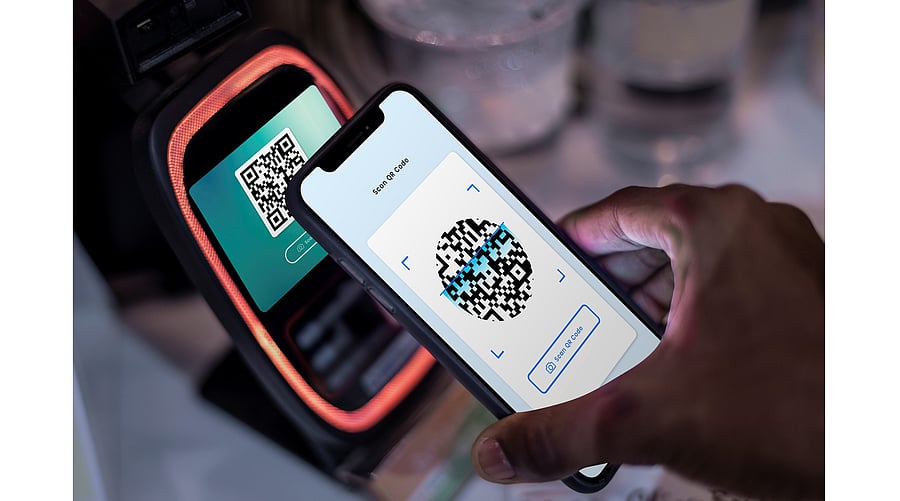
About Instant UPI Apps
Digital payments have transformed the way we handle our daily finances. It is now possible to settle a bill or send money to a friend in just a few seconds using a smartphone. This shift toward a cashless society has been driven largely by the convenience of the instant UPI app, which connects bank accounts directly to a mobile interface.
While the ease of use is undeniable, many consumers remain unaware of the specific boundaries and dangers associated with these platforms. Understanding the operational limits and the potential security threats is essential for anyone who relies on digital transactions. Being informed helps you navigate the financial landscape without falling victim to common pitfalls.
The Evolution of Digital Payment Limits
When you use an instant UPI app, you are operating within a framework designed to balance speed with security. Regulatory bodies and financial institutions have established specific limits on how much money you can move in a single day. These restrictions are not meant to be an inconvenience. Instead, they serve as a primary defense mechanism against large scale fraud and unauthorized transfers.
Most users will find that there is a standard upper limit for daily transactions, often capped at one lakh rupees for general peer to peer transfers. However, these figures can vary depending on the specific bank you use. Some banks might set lower thresholds to protect their customers, while others might allow higher limits for specific types of payments like insurance premiums or educational fees.
There is also a limit on the number of transactions you can perform within a twenty four hour window. Typically, a user is restricted to twenty transfers per day. This prevents automated systems or bad actors from draining an account through a high volume of small, rapid transactions. If you are planning a day with many small purchases, it is wise to keep this count in mind to avoid a sudden service interruption.
New Account Restrictions and Cooling Periods
If you have recently registered for a new instant UPI app or changed your mobile device, you might encounter temporary restrictions. These are known as cooling periods. During the first twenty four hours after a new registration or a password reset, the amount of money you can transfer is usually limited to a very small sum.
This delay is a critical security feature. It ensures that if a fraudster gains access to your account and tries to link it to a new device, they cannot immediately empty your savings. It gives the legitimate account holder enough time to receive a notification and alert the bank. While it might feel frustrating when you are in a hurry, this waiting period is one of the most effective tools for preventing identity theft in the digital payment space.
Understanding the Risks of Social Engineering
The biggest threat to users of an instant UPI app is not a technical hack of the system itself. Most losses occur due to social engineering. This is a tactic where scammers trick individuals into giving away their sensitive information or performing actions that lead to financial loss.
One common method is the collect request scam. In this scenario, a fraudster sends a request for money to your app, often disguised as a refund or a prize notification. They might call you and claim that you need to enter your PIN to receive the funds. It is vital to remember that you never need to enter your PIN to receive money. A PIN is only required when you are sending money out of your account.
Phishing is another significant risk. You might receive a text message or an email that looks like it came from your bank or a government agency. These messages often contain a link that directs you to a fake website designed to steal your login credentials. Always verify the source of any communication before clicking on links or providing personal details.
The Danger of Screen Sharing Apps
A relatively new but highly effective scam involves the use of screen sharing software. Fraudsters posing as customer support executives might ask you to download a specific app to help resolve a technical issue. Once you install the app and provide the access code, the scammer can see everything on your phone screen in real time.
As you navigate your instant UPI app, the criminal can see your passwords, your PIN, and your private messages. They can then take control of your device remotely to authorize transactions without your knowledge. Legitimate customer support will never ask you to download third party screen sharing tools. If someone makes this request, you should end the communication immediately and report the incident.
Best Practices for Safe Transactions
To enjoy the benefits of an instant UPI app while minimizing risk, you should follow a set of strict digital hygiene rules. First, never share your PIN or your one time passwords with anyone, including people claiming to be bank officials. Your PIN is for your eyes only.
Second, always verify the identity of the person or merchant you are paying. Before hitting the send button, the app will usually display the registered name of the recipient. Double check this name to ensure it matches the person you intend to pay. Small errors in a phone number or a virtual payment address can lead to money being sent to the wrong person, and these transactions are often difficult to reverse.
Third, keep your mobile operating system and your payment apps updated. Developers frequently release patches to fix security vulnerabilities. Running an outdated version of an app makes you an easier target for hackers who exploit known weaknesses in older software.
What to Do in Case of Fraud
If you suspect that your instant UPI app has been compromised or if you notice an unauthorized transaction, time is of the essence. The first step is to block your UPI ID and notify your bank immediately. Most banks have a dedicated helpline for reporting digital fraud that operates twenty four hours a day.
You should also report the incident on the national cybercrime portal. Providing as much detail as possible, including screenshots and transaction IDs, will help authorities investigate the matter. The faster you act, the higher the chances of recovering your funds or at least preventing further damage to your account.
Looking Ahead at Digital Payment Security
The landscape of digital payments is constantly shifting. As technology evolves, both the features of the instant UPI app and the tactics used by scammers will continue to change. Regulatory bodies are working on implementing more robust security measures, such as biometric authentication and enhanced AI monitoring to detect suspicious patterns in real time.
As a consumer, staying informed is your best defense. By understanding the limits of the system and remaining vigilant against common risks, you can continue to enjoy the speed and convenience of modern payment methods. Digital finance offers incredible freedom, but it requires a disciplined approach to ensure your hard earned money remains safe.