
Cardiac care has undergone a profound transformation over the last five decades. From the first balloon angioplasty performed in 1977 to today’s image-guided, precision-driven interventions, the journey of heart care mirrors the evolution of medicine itself—moving steadily towards safer, more personalized treatment for patients. In India, this evolution has been especially significant, as the country grapples with one of the world’s highest burdens of cardiovascular disease while simultaneously emerging as a global hub for medical technology innovation.
This transformation formed the core narrative of PRISM-PCI Conclave 2026, hosted by Meril Life Sciences at its academy in Vapi from January 16 to 18. The event brought together nearly 300 interventional cardiologists from India and across the world to reflect on how angioplasty—once a relatively straightforward procedure—has become increasingly complex, and how innovation is redefining outcomes for patients.
PRISM stands for Precision Revascularization using Innovation-Guided Strategy for management of Complex PCI. The concept reflects a new reality in cardiac care: today’s patients often present with multi-vessel disease, heavy calcification, heart failure, or require intervention at a much younger age than in the past. Managing such complexity demands more than skill alone—it requires precise imaging, physiological assessment, advanced devices, and well-planned hybrid strategies.
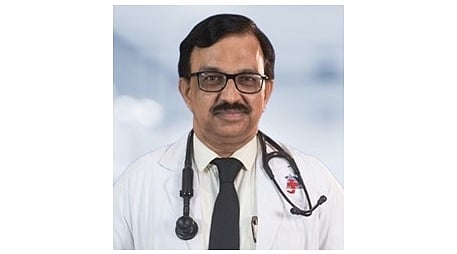
Dr B V Manjunath, Chief Interventional Cardiologist, and Professor and Head of Cardiology at A.J. Hospital & Research Centre, Mangalore, observed, “The future of angioplasty lies in understanding the disease better—using imaging and physiology to guide decisions. Every blocked artery tells a different story, and precision isn't about being careful—it's about being right. This approach improves safety and consistency, especially as cases become more complex worldwide. The most important decisions now happen before the first device is deployed. Imaging and physiological assessment provide insights beyond angiography, helping identify which lesions truly require intervention and how best to approach them. As disease complexity rises globally, clinicians must rely on structured planning and evidence-based strategy rather than procedural speed or volume alone.
Dr. Tom Devasia, Professor & HOD - Cardiology at Kasturba Medical College & Hospital, Manipal, highlighted the importance of precision in modern practice. “The procedure begins before you touch the wire. Imaging and physiology tell you what the angiogram cannot: which blockages are truly threatening the patient, and which ones require different management strategies. These tools have transformed how clinicians understand coronary disease, providing insights that reduce uncertainty, improve procedural safety, and lead to more consistent outcomes. At PRISM-PCI, the emphasis was clear—precision-guided decision-making is essential as cases grow more complex. Data-driven strategies are no longer an add-on; they are central to modern interventional practice. ,” he said.
A major theme across sessions was India’s growing role in global cardiac innovation. Over the last decade, home-grown technologies—from advanced coronary stents and imaging-guided solutions to transcatheter heart valves—have significantly enhanced access to modern cardiac care, both within the country and internationally. This shift has reduced dependence on imports and empowered Indian clinicians with tools comparable to the best in the world.
Beyond technology and technique, PRISM also addressed prevention—a crucial concern as cardiovascular disease increasingly affects younger populations. Experts emphasized that while advanced interventions save lives, long-term impact will depend on early detection, lifestyle modification, and public awareness.
As the conclave concluded, PRISM stood as more than a scientific meeting. It reflected a larger shift in global healthcare—where India is not only treating one of the world’s largest cardiac patient populations, but also helping define the future of heart care through innovation, research, and precision-driven solutions.