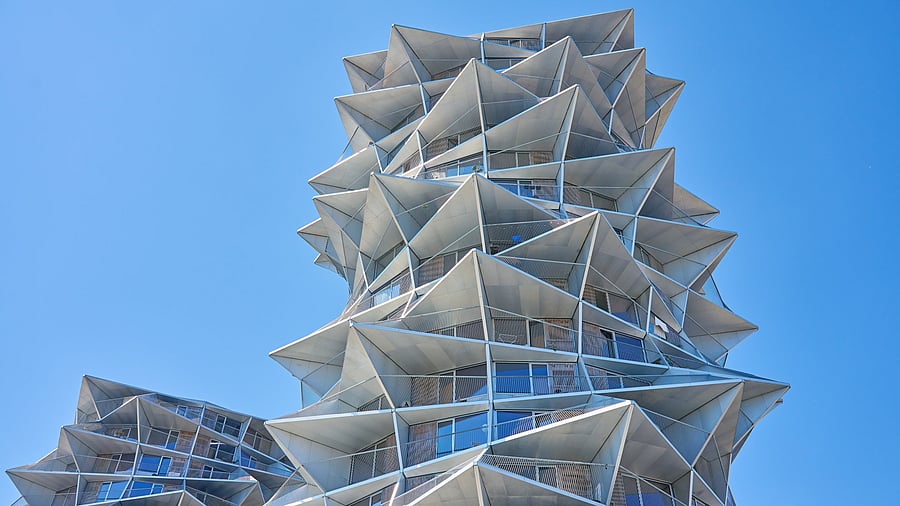
Copenhagen isn’t just a city; it feels like a living design experiment that you can walk, cycle, and swim through every day. What makes it special is how design here isn’t locked away in galleries or reserved for the elite; it’s woven into the fabric of daily life. Whether you’re gliding along a bike lane, stopping for coffee, or checking into a hotel, you’re constantly immersed in spaces that balance beauty, function, and a deep respect for human comfort.
The Danish design ethos is unmistakable: simplicity, natural materials, and a close relationship with light and nature. Wood, neutral tones, and uncluttered forms dominate, while daylight is treated almost like a building material in its own right. It’s not about showing off; it’s about creating environments that feel good to inhabit. This quiet confidence is what makes Copenhagen’s design language so compelling.
Movement through the city tells the story best. Bike lanes aren’t an afterthought; they’re the arteries of Copenhagen, making cycling the most natural way to get around. Public harbour baths transform the city’s edges into communal living rooms, where locals swim in water so clean it feels miraculous for a capital city. Even the smallest neighbourhood cafés are thoughtfully designed, with interiors that encourage you to slow down and linger. Together, these elements form a blueprint for how a city can function beautifully without sacrificing utility.
Copenhagen’s design legacy is legendary. Arne Jacobsen’s furniture remains timeless, and Poul Henningsen’s lighting designs are still synonymous with Danish interiors. In contemporary architecture, Bjarke Ingels and his studio BIG push boundaries with bold, sustainable projects that are reshaping not only Copenhagen but also cities worldwide. There’s a palpable sense of continuity here — heritage and innovation celebrated side by side.
Even the city’s bridges embody this philosophy. They are not merely functional crossings but sculptural gestures across water. Olafur Eliasson’s Circle Bridge, with its mast-like forms, invites pause and reflection. The Cykelslangen, or “Bicycle Snake,” is a vivid orange bike lane that curls playfully above the harbour, turning a daily commute into a moment of delight. Lille Langebro is sleek and minimal, folding open like an origami creation to let boats pass. Each bridge shows how design can elevate even the most utilitarian structures. Staying in Copenhagen is part of the design journey. Hotels embrace the city’s ethos in distinct ways. At the quirky 25hours Hotel Paper Island, the maritime history of the harbour is woven into playful interiors featuring sailcloth, maps, and bold colours. The vibe is eclectic and whimsical, yet firmly rooted in its contemporary waterfront setting. Hotel Ottilia, by contrast, places guests inside the historic Carlsberg brewery. Industrial elements — concrete beams and factory windows — are softened by warm Scandinavian lighting and furniture, creating a seamless fusion of history and comfort.
For those curious about how design shapes society on a larger scale, the Danish Architecture Centre (DAC) is essential. Its exhibitions explore urban planning, sustainability, and the future of cities, encouraging visitors to think like architects. The experience is interactive: you don’t simply observe design, you’re invited to rethink how cities might look and feel.
Shopping for design in Copenhagen also feels purposeful. Hay House on Østergade resembles a temple of Scandinavian living, with airy showrooms arranged as complete lifestyle vignettes. It demonstrates how furniture, textiles, and lighting come together in everyday settings, rather than existing as isolated objects.
The city’s neighbourhoods offer the most authentic sense of design in action. Vesterbro has evolved from gritty industrial roots into a creative hub, where studios, concept stores, and galleries coexist with cafés and craft breweries. In Nørrebro, Superkilen Park is a playful urban landscape celebrating inclusivity, incorporating more than 100 objects from 50 cultures into a joyful public space.
What’s remarkable about Copenhagen’s design culture is that it invites participation, not passive admiration. Rent a bike and experience how effortlessly the city accommodates cyclists. Swim in the harbour baths and see what’s possible when water is treated as a public asset. Perhaps the city’s most radical design project isn’t a building or bridge, but its commitment to becoming carbon-neutral by 2025. That ambition shapes everything: waste-to-energy plants double as ski slopes, solar panels become architectural features, and new developments prioritise community spaces and green roofs.
From the curve of a bridge to the placement of a bike rack, from café interiors to public parks, design works quietly but powerfully to improve daily life. It nurtures people, strengthens communities, and shows that beauty and functionality can, indeed, go hand in hand.