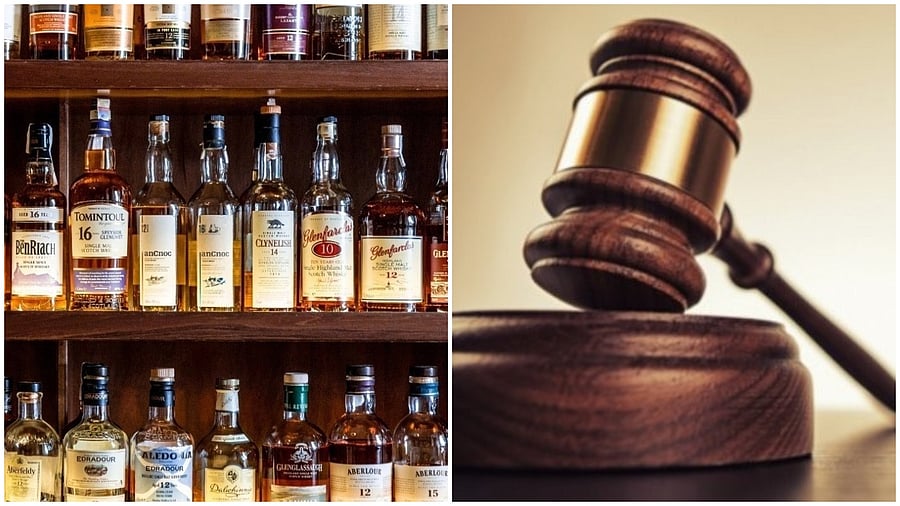
The stringent Prohibition law came into force in Bihar with effect from April 1, 2016. (Image used for representation)
Credit: iStock Photos
Patna: In what could be considered as a new benchmark in speedy justice, the Patna High Court created a record of sorts when it heard 508 cases, all related to prohibition violation, and granted bail to 463 persons.
This was for the first time that over 500 cases were heard in a day and 90 per cent of those languishing in jail for long for violation of prohibition law, were granted bail or anticipatory bail.
The stringent Prohibition law came into force in Bihar with effect from April 1, 2016 when Chief Minister Nitish Kumar fulfilled his promise to women voters by declaring Bihar a dry State.
On Monday, the single bench of Justice Rudra Prakash Mishra heard 508 petitions related to incarceration due to violation of prohibition laws and granted bail to 463 persons. This set a new benchmark and broke the previous record of granting bail to over 300 persons in a day.
While granting bail, the court observed that most of the accused were behind bars due to faulty implementation of the prohibition law. “The poor implementation of liquor laws by the authorities have immensely increased the number of such cases and have burdened the cases with bail matters,” the judge made an oral observation while lauding the efforts of public prosecutors in facilitating swift disposal of cases.
Notably, a group of Assistant Public Prosecutors (APP) assisted the Patna High Court judge by highlighting important facts like criminal antecedents of the accused, quantity of liquor recovered and jail duration of the petitioners.
“The court examined the case diary and criminal history of the accused at a hurricane pace and made quick decisions. The APPs aided him in reviewing voluminous case diaries. Such mass disposal of cases has set a new benchmark and will reduce backlogs,” said a senior advocate.