
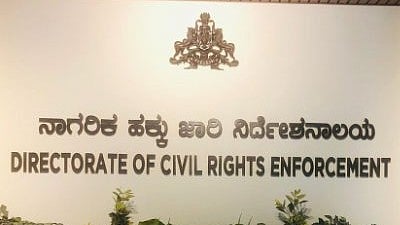
Data from the Directorate of Civil Rights Enforcement (DCRE) shows that a total of 10,573 atrocity cases were registered.
X/DCREKARNATAKA
Bengaluru: Incidents of atrocities against the Scheduled Castes and the Scheduled Tribes (SC/STs) have seen a sharp increase in Karnataka over the past five years, with Bengaluru topping the list of districts reporting the highest number of cases, according to data.
Statistics reveal that while around 2,000 cases were registered in 2021, the number rose to 2,772 in 2025, a 38.6% rise over the five-year period.
Data from the Directorate of Civil Rights Enforcement (DCRE) shows that a total of 10,573 atrocity cases were registered in the state in this period.
Of these, 1,598 cases were found to be false, 1,050 cases were dismissed and only 47 cases ended in conviction, raising concerns over investigation quality and delays in the justice delivery system. The conviction rate currently stands at about 10%.
In 2025 alone, Bengaluru reported 261 cases, highest in the state. Tumakuru followed with 139 cases, while Belagavi recorded 128 cases and Raichur 121 cases.
To ensure speedy trials, the state has established 11 special courts dedicated to handling SC/ST atrocity cases. However, activists and legal experts have stressed the need for more effective prosecution and time-bound trials to improve conviction rates and restore faith among victims.
In April 2025, the government set up 33 DCRE police stations aimed at strengthening investigations under the SC/ST (Prevention of Atrocities) Act. The move, Home Minister G Parameshwara said, was intended to ensure focused enforcement of civil rights laws.
Reacting to the data, advocate Srikant S said the law was enacted to eliminate caste-based discrimination and protect vulnerable communities. However, he noted that in recent times, some cases involving inter-caste relationships and marriages were also being booked under it.
“The Constitution does not prohibit inter-caste marriages. The law must be applied carefully to prevent misuse while ensuring genuine victims receive justice,” he said.
K Somaiah, a Dalit activist in Bengaluru, emphasised that the surge in atrocity cases, particularly in the city, shatters the illusion of urban immunity to casteism and reflects a systemic failure to protect the marginalised. “To truly dismantle this hierarchy, we need more than just legal measures, we need community-led awareness programmes, campaigns and street plays,” he added.
The activist said until there is a time-bound trial system and a “social vaccine” of grassroots awareness, the SC/ST (Prevention of Atrocities) Act will continue to struggle against the weight of social prejudices.