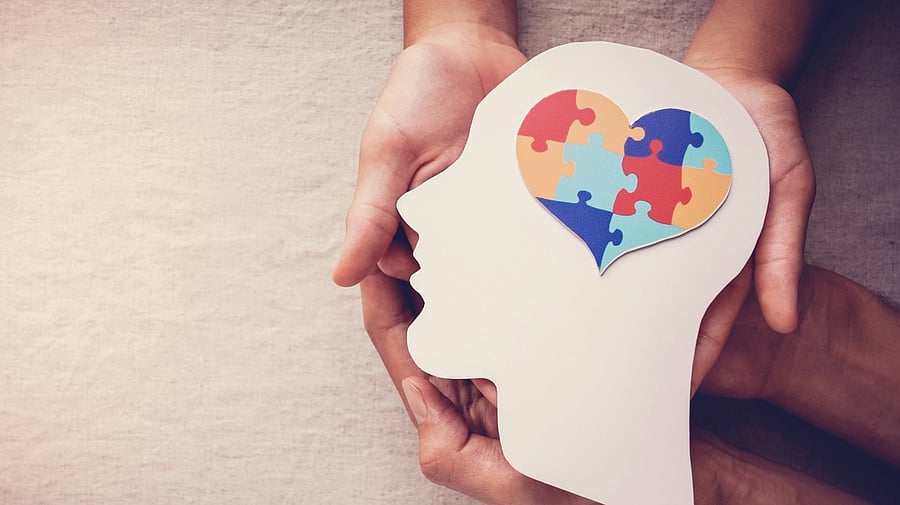
Photo for representational purpose.
Credit: iStock photo
Bengaluru: Laying a good foundation during childhood is key to ensuring adults with developmental disorders are able to live independent lives, noted experts at the regional conference of the World Association for Psychosocial Rehabilitation-Indian Chapter at Nimhans on Friday.
Among the many topics being explored in the two-day conference, the focus was on psychosocial and community-based rehabilitation of adults with developmental disorders with a recovery-based approach, rehabilitation for substance use disorders, lifetime care for people with severe mental illness, and “what next” after caregivers pass on.
Stalls and project presentations explored the SALT — stimulate, support; appreciate; listen, learn, link; transfer — model to empower people with mental illnesses, help them become independent and also help caregivers recognise their strengths to overcome challenges.
Dr Satish Chandra Girimaji, Child and Adolescent Psychiatrist and Neuro-developmental Disorders Specialist at Nimhans, explained that social participation of people with developmental disorders is one of the key aspects of rehabilitation. “They can be involved in regular visits to a park or a temple. This is important, otherwise they can become isolated and feel lonely,” he said.
Besides this, skills training through open schools and social and practical skills need to be taught early on to enable people with developmental disorders to live independent lives.
Additionally, clinicians can help instill hope in families, shift the focus from deficits and instead onto what skills can be taught and improved, and help families access support systems and services, experts noted.
Sessions explored challenges that homeless people with mental illnesses experience, including issues with law enforcement, documentation, and accessing support, besides the need for more empathetic approach to people with substance use disorders and establishing systems for lifetime care of people with severe mental illnesses through assisted living and community caregiving programmes.