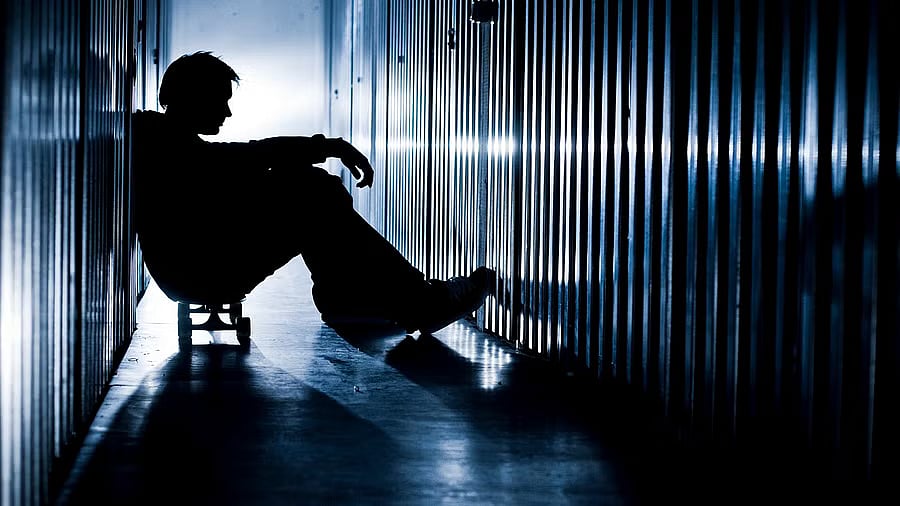
Representative image of a depressed man
Credit: iStock Photo
Mental health professionals in Bengaluru have reported a nearly 60% rise in cases of seasonal depression over the past month. Also known as Seasonal Affective Disorder (SAD), it is being seen more frequently among students under academic pressure, young working professionals facing career uncertainty, and individuals reflecting on unmet goals as the year draws to a close.
SAD is commonly linked to less sunlight, which can increase melatonin, the sleep hormone, and lower serotonin, the mood-regulating hormone. Vitamin D deficiency and reduced outdoor activity can worsen the symptoms.
Experts note that while Bengaluru does not experience harsh winters or prolonged periods of low sunlight, overcast days still play a role. Seasonal depression also tends to overlap with what many describe as the “year-end blues”.
Child psychiatrist Arya Kumar has observed a marked rise in SAD symptoms among high school and college students. “The pressure of entrance exams such as CAT, XET, and SNAP, which are held between November and January, adds immense stress,” she says.
She recalls a recent case of a student who isolated himself to focus on exam preparation. “He came in with severe anxiety and depression. Cutting himself off from friends and family worsened his mental health and triggered a depressive episode,” she explains.
Mala Sridara, a retired psychology professor, draws attention to the combined impact of environmental and emotional factors. “The weather discourages outdoor activity and exercise, and reduced sunlight can have a direct effect on mood,” she says.
She adds that year-end introspection often deepens emotional distress. People tend to focus on goals they could not achieve, which affects their self-esteem. “While the new year brings hope, it also brings anxiety about achieving goals,” she explains.
Psychological counsellor Sajan Arun P described the cases he has been seeing at this time as more of a “year-end emotional reckoning” than pure seasonal depression. “It often coincides with winter but is closely linked to how people evaluate their year,” he says.
Arun says his clients range from high school students to people in their 50s. “For students, anxiety peaks after exams. Those in their 20s struggle with career instability, relationship concerns, and identity issues, often compounded by family pressure. Middle-aged clients face financial stress and midlife crises, while older adults grapple with loneliness, empty nest syndrome, fear of mortality, and grief,” he explains.
Counsellor Sneha Fernandes has seen an increase in panic attacks during this period, particularly among those in their late 20s and early 30s. “The wedding season brings added pressure. Comparing themselves with their peers can make people feel left behind, triggering depressive episodes,” she says.
Experts stress the importance of recognising the difference between temporary emotional lows and clinical depression, and seeking professional help when needed. Arun also cautions against self-diagnosis.
Tell-tale signs
Unrestful sleep or waking up tired.
Noticeable changes in appetite.
Persistent fatigue or reduced physical capacity.
Withdrawing from friends or social activities.
Falling behind on daily tasks or commitments.
Feeling irritable and sad.
(By Sajan Arun P and Sneha Fernandes)
What you can do
Maintain a regular sleep schedule.
Eat balanced meals.
Stay physically active.
Take breaks from work.
Spend time with friends and family.
Prevalence
According to Sneha Fernandes, about 5-6% of the global population experiences Seasonal Affective Disorder (SAD), while 15-20% report milder winter blues. She adds that depressive episodes are not limited to colder months and may also peak during summer. Heat can leave one irritable and unwilling to step out or socialise. Sajan Arun P adds that SAD has not been studied as extensively in India as it has been in countries with extended periods of low sunlight.