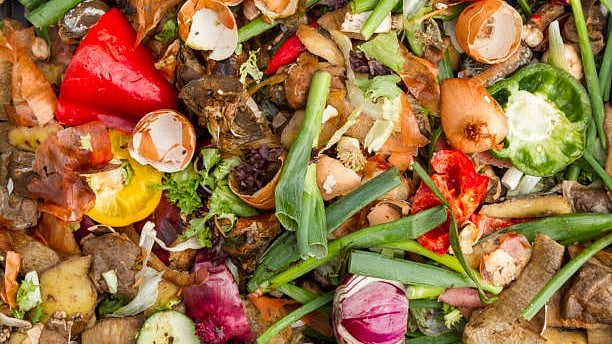
Plant waste. Credit: iStock
The world today seems awash with material innovations – cactus leather handbags, recycled PET plastic shoes, and textiles made from banana stems, lotus, rose petals and even milk protein. Packaging made from natural fibres promises compostability. Fashion marketing has spun an alluring narrative: once again, nature will save us. It is a story as seductive as it is comforting—a belief that we can keep consuming as we always have, only now with cleaner materials. But the truth, as I have learnt through years of working with sustainability and textile innovation, is far more complicated.
Bio-materials hold immense promise. Yet, in the rush to declare a planet-saving revolution, we are creating fresh confusion, blind spots and, at times, new layers of greenwashing. Most ‘miracle fibres’ cannot exist on their own. To become wearable textiles, they must be chemically broken down and blended with a stronger structural material—usually cellulose derived from wood pulp or other plants.
I first discovered this years ago at a textile factory in Delhi. They proudly promoted fabrics made from rose petals, soy, aloe and lotus. I held a roll of what was called “rose-petal fabric”, and the narrative grew more poetic with every explanation. But something felt amiss. With help from textile scientists, the picture became clear: the fabric was essentially cellulose—likely wood pulp—with only traces of the advertised natural input. Once cellulose is dissolved and reconstituted, the original plant markers vanish.
A similar misunderstanding surrounds the rising world of “bio-leathers”. These materials are celebrated as ethical, biodegradable alternatives to animal leather, and a few are indeed breakthroughs. But many contain only small percentages of the natural feedstock. To mimic leather’s strength, flexibility and waterproof qualities, manufacturers add synthetic coatings and petrochemical binders. Surfaces are often finished with polyurethane or acrylic layers for durability and sheen. The result looks and feels beautiful, but it is not the natural, chemical-free innovation consumers imagine—and plastic coating brings its own microplastic pollution.
The issue is not the ambition behind bio-materials but the opacity around them. When brands withhold the truth about the processes, the burden falls on consumers, who cannot distinguish genuine sustainability from skilful illusion.
During a visit to NIFT Raebareli, students in the leather department were eager yet hesitant about new bio-leathers. Their concern was clear: these materials are prohibitively expensive and visually indistinguishable from synthetics. Inspect the reverse side of many bio-leathers, and the truth reveals itself: a polyester backing. How then can we call them sustainable or “bio” at all?
This problem is even more evident in the trend of turning ocean plastic into shoes. It sounds heroic: collect plastic, recycle it and turn it into footwear. But reality is a troubling form of environmental injustice. Plastic collected in one country is processed in another and turned into shoes that often cannot be recycled again. Plastic can only be recycled a limited number of times; after a short life, these shoes end up in landfills. Countries handling the waste carry the environmental burden—chemical runoff, air emissions, unrecyclable residues—while the story of “saving the oceans” continues elsewhere.
Circularity is a beautiful concept but meaningless when systems are globalised and opaque. If a product’s waste is generated in one country, processed in another, sold in a third and discarded who knows where—can we claim it helps the planet? True circularity demands local accountability: materials should be created, used and returned within the same ecosystem whenever possible, without exporting the burden.
Sustainability is not a label. It is a system. And no system can work without transparency.
These inconsistencies are called out at various international meetings, not to shame brands but to advocate for honesty. Criticism is rarely welcomed. Corporations prefer applause for their environmental gestures, not scrutiny that reveals complexity. Yet without honest conversations, consumers may believe they are making eco-friendly choices while unknowingly supporting systems that perpetuate pollution, injustice and waste.
The way forward is not to reject material innovation but to demand better ones—to insist on transparency and on processes that reduce harm rather than hide it. A product does not need to be perfect; it needs to be truthful.
As we stand on the brink of unprecedented environmental challenges, fashion has an opportunity to evolve into a force that heals. But for that to happen, we must stop idealising illusions and start embracing honest innovation. Only then will materials innovation live up to their promise, becoming not just a marketing story, but a genuine step toward a more sustainable and just world.
(The writer is a fashion environmentalist collaborating with the United Nations and World Bank on fashion and sustainability)
Disclaimer: The views expressed above are the author's own. They do not necessarily reflect the views of DH.