
Many people find bitter foods hard to enjoy, especially in childhood. But if you’ve noticed adults sipping black coffee or asking for extra methi in their dal, here’s the secret: taste can change.
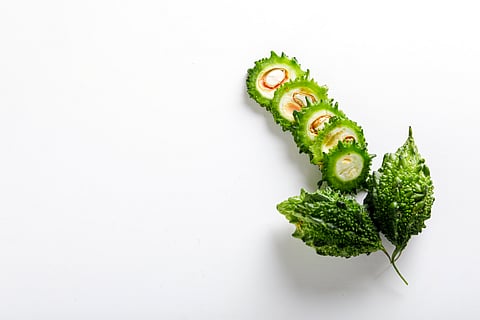
Our bodies are wired to detect bitterness quickly, because some toxic substances in nature taste bitter. That’s why vegetables like bitter gourd (karela), fenugreek leaves (methi), radish leaves, neem flowers, and Brussels sprouts can trigger a strong reaction at first.
But not all bitterness is harmful. In fact, many bitter foods are rich in nutrients and plant compounds that support digestion, reduce inflammation, or help balance blood sugar.
People with more bitter receptors on their tongue may find these foods especially intense. However, with regular exposure — even small bites — your brain starts adjusting. This process is called taste adaptation. Over time, the bitterness feels milder, and you may even start enjoying the natural flavours.
Cooking also plays a role. Roasting Brussels sprouts, sautéing methi with garlic, or boiling karela with tamarind can make them less bitter and easier to enjoy.
So yes, you can train yourself to like bitter foods. It just takes time, curiosity, and a few good recipes.