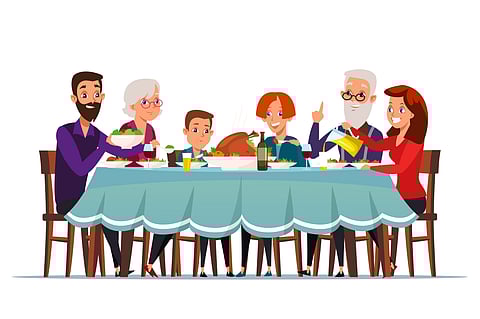

A simple meal can feel warmer, tastier, and more satisfying when you’re not eating it alone. This shift isn’t just emotional — it’s biological, psychological, and deeply human. For thousands of years, food has been a shared experience, and our brains are wired to enjoy it more in the presence of others.
When you eat with people you like, your body releases oxytocin, the bonding hormone that creates trust and comfort. This makes your mind relax, which in turn sharpens your senses. Your food tastes fuller, smells richer, and feels more enjoyable because your brain is in a happier state.
Shared meals also slow you down. You pause to talk, laugh, listen, and respond. This gives your body more time to register flavours and signals of fullness, making the meal feel both tastier and more satisfying. In contrast, eating alone — especially while watching a screen — can make you eat too fast or barely notice the food at all.
Eating with others also reduces stress. Friendly conversation lowers cortisol, the stress hormone that can dull taste and tighten digestive muscles. A relaxed body digests food better and enjoys it more.
There’s also the power of mirroring. When someone at the table smiles after a bite or says the food is delicious, your brain mirrors their reaction. Humans unconsciously respond to each other’s emotions, so positive energy enhances flavour.
Finally, shared meals create memory. A favourite lunch with a friend or a family dinner becomes more than food — it becomes a story. Your brain ties taste to connection, making the experience feel richer each time.
Eating with others nourishes more than your stomach. It feeds your mind, your mood, and your sense of belonging.