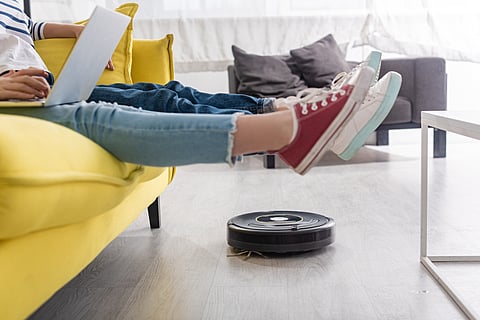

They move around like little turtles, scooting across rooms, turning at corners, and somehow avoiding furniture legs — all without anyone steering them. But how do robot vacuum cleaners know where to go?
At the heart of a robot vacuum cleaner is a clever system of sensors, wheels, brushes, and a tiny onboard computer. The sensors help it detect walls, stairs, obstacles, and even dirt. Some models use infrared sensors, while more advanced ones have LIDAR (Light Detection and Ranging) — a laser-based tech that creates a map of the room.
When the vacuum starts cleaning, it uses these sensors to figure out where it is and which areas still need cleaning. The motor powers a fan and spinning brushes that suck up dust, hair, and crumbs from carpets and floors. Some vacuums move in straight lines, while others use zigzag or spiral patterns. More advanced models store a digital map of your home and even let you mark "no-go" zones on a mobile app.
If the battery runs low, the robot automatically returns to its charging dock. Once it's charged, it can resume cleaning right from where it stopped!
While they may not replace a deep clean, robot vacuums are smart helpers that use a mix of electronics, mechanics, and AI to keep your floor tidy — one spin at a time.