
In the sleepy English town of Epsom, something strange was happening to the cows. It was the early 1600s, and local farmers noticed their animals refused to drink water from a certain spring. Curious, one farmer tasted the water and discovered it was bitter. But what happened next made history.
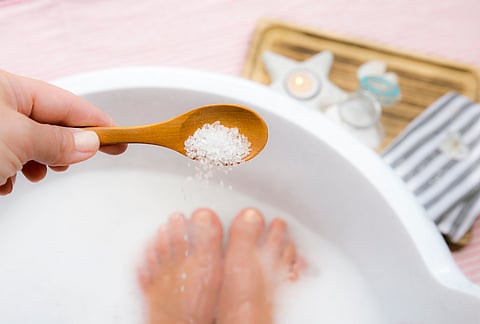
As the water dried up in the summer heat, it left behind shiny white crystals. Locals soon realised that soaking in this water helped soothe aching joints and skin problems. Word spread quickly, and by the mid-1600s, people from London were travelling to Epsom just to bathe in the spring or collect the magical white powder. It came to be known as Epsom salt.
But here’s the twist: Epsom salt isn’t actually a salt like the one on your dining table. Chemically, it’s called magnesium sulphate. It just looks like salt because of its crystal shape. Unlike table salt, it tastes bitter, not salty, and is used more for healing than for eating.
Over the years, Epsom salt became a popular home remedy. People used it for sore muscles, sunburns, even in gardens to help plants grow better. Its fame spread far beyond the little English town.
So next time you see Epsom salt in a bathroom cabinet or garden shed, remember it’s not seasoning. It’s a centuries-old discovery that helped turn a spring into a spa and a town into a legend.