
We often use the words lake and pond as if they mean the same thing. But while both are bodies of freshwater, scientists use a few key features to tell them apart—and it’s not just about size!
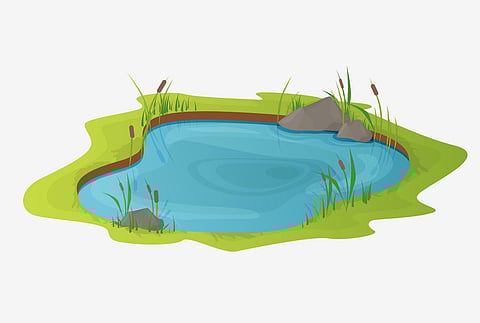
A pond is usually shallow, small, and still. The sunlight can reach the bottom of a pond in most places, which allows plants to grow across its floor. You’ll often see lilies, grasses, and algae spread throughout, with frogs and dragonflies buzzing about. Because it’s shallow, a pond has uniform temperature from top to bottom.
A lake, in contrast, is deeper and often bigger. In a lake, sunlight cannot reach all the way down, especially in the middle. That’s why the bottom of a lake tends to be darker and colder. Lakes also develop layers of water with different temperatures—a warmer top and a colder bottom. This layering can influence which fish or plants survive where.
Lakes are also more likely to have waves, currents, or even be connected to rivers. Ponds are usually more isolated.
In short, if you can walk across it or see the bottom from anywhere, you’re probably looking at a pond. If it's deeper, cooler, and more dynamic, it's likely a lake.