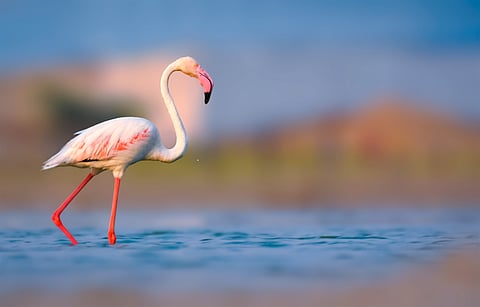

A flamingo is not born pink. Many flamingo chicks start out grey or whitish, and their colour deepens over time. The famous pink comes from pigments called carotenoids, the same family of natural colour compounds that make carrots orange and give ripe tomatoes their red.
Flamingos get carotenoids from their diet. Depending on where they live, they eat tiny algae, plankton, and small crustaceans such as brine shrimp. These foods contain carotenoids, and the birds absorb them during digestion. The pigments then travel in the bloodstream and are deposited in the skin and in growing feathers, slowly tinting them pink, coral, or even reddish.
It is not just about eating the right food. A flamingo’s body also has to process those pigments. If a bird is unwell, stressed, or not getting enough of the right nutrients, its colour can fade. That is why colour can act as a kind of signal. Brighter birds often look healthier because they are feeding well and converting pigments efficiently.
Flamingos also spread oil from a gland near the base of the tail while preening. This oil can make their feathers look glossier and can enhance the colour, like polishing a fabric so it catches light better. The true pink, though, comes from the pigments inside the feathers.