It was a decade ago that the Oxford English Dictionary added the word ‘cisgender’ to its growing lis of words, and defining it as “designating a person whose sense of personal identity and gender corresponds to his or her sex at birth.” Cis is a prefix that traces its origin to Latin, and means “on this side of” or “on the same side” as opposed to ‘trans’ which means ‘across’ or “on the other side.”
Cisnormativity refers to the assumption that an individual’s cisgender identity is the preferred or ‘normal’ one. The word was first used in an article that was published in a journal pertaining to AIDS care in 2009.
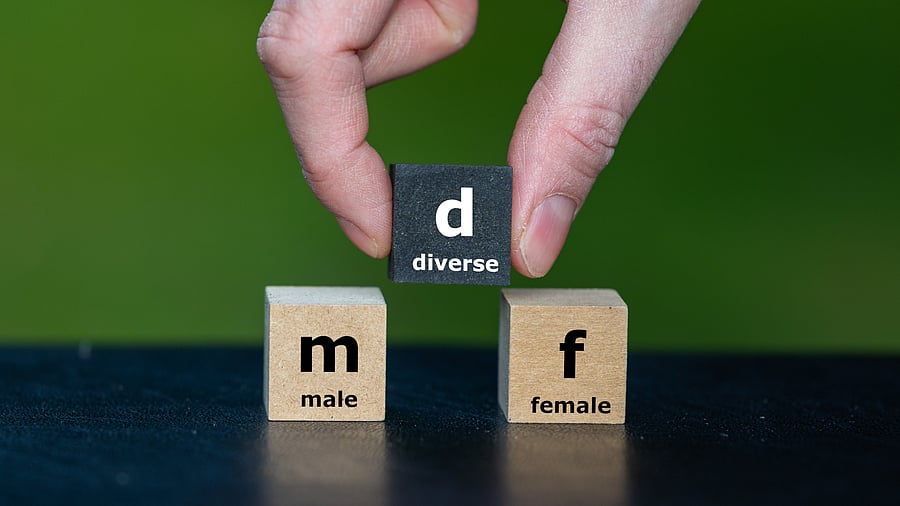
Cisnormativity is commonly observed in areas like healthcare, where systems and language are both built for a cisgender identity, and can invalidate those who don’t identify as cisgender. Cisnormative practices may often be seen in administrative systems as well, where there are checkboxes that only identify male or female, for example. Cisgender actors playing characters who identify as trans is another practice in cinema, especially Hollywood, that has often been the subject of debate. Some of the arguments focus on tokenism and missed chances for trans actors. The counter arguments revolve around creative expression.
Using gender-neutral language (for instance, seeking preferred pronouns, or using words like partner) is one way of pushing back against cisnormative behaviour.
Seeking inclusive spaces and practices (for example, using non cisgender checkboxes in forms or in data collection during surveys) may help as well.
(Decoded demystifies gender concepts and breaks them down into easy-to-understand language.)