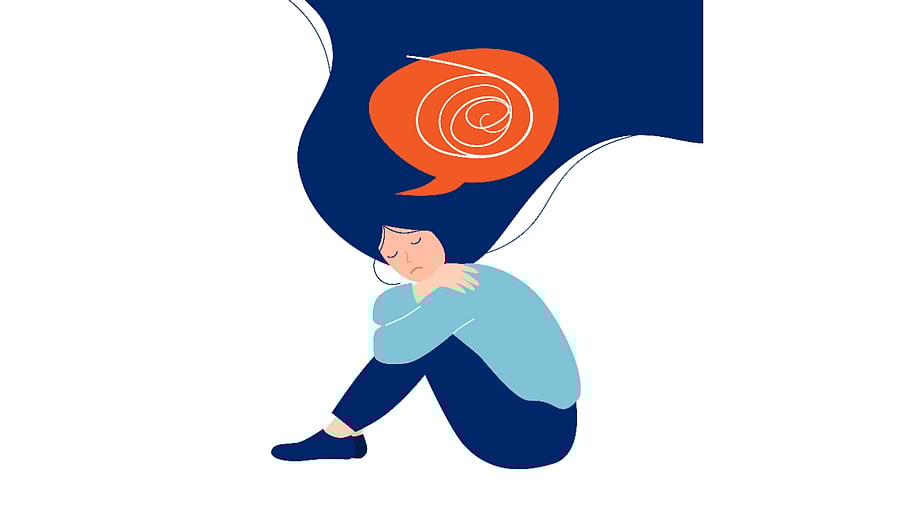
Constant anxiety and mental load can also lead to pelvic pain.
Walk into any gynaecology clinic today and you’ll see something that barely existed a decade ago: women in their early twenties describing deep, dull pelvic aches, sharp twinges during movement, or a heavy, dragging sensation by evening. Young women who have never had a baby and often have no underlying disease on their scans are now showing up with pain.
Lifestyle shift
A shift in lifestyle, stress patterns, and daily habits has made pelvic floor tightness a growing concern for Gen Z. The ‘always-on’ lifestyle is hard on pelvic muscles. Pelvic floors aren’t passive structures. They respond to the body’s emotional state. When you spend long hours in a heightened, anxious alertness — juggling academics, work, social pressure, or the constant hum of digital life — the pelvic floor often tightens just like the jaw or shoulders do.
Chronic anxiety doesn’t stay in the mind; it has a muscular signature. For many young women, this constant low-level tension settles in the pelvis. Over time, these muscles forget how to relax, leading to pain during periods, discomfort while sitting, or pain during intimacy.
• Slouching pushes the tailbone forward, compressing the pelvic outlet.
• Crossing legs for long hours shifts weight to one side, overstretching some muscles while shortening others.
• Leaning over screens rounds the lower spine, forcing the pelvic floor to take on extra support work.
• Movement isn’t optional; even a short break every hour — standing, stretching, or walking around your room — helps muscles reset.
• Most youngsters know posture can trigger back or neck pain, but few realise the pelvis is part of the same chain.
Impact of poor posture
• A dull heaviness during periods
• Pain with deep penetration
• A strange, internal pressure when standing too long
• Discomfort while using tampons or menstrual cups
High-intensity workouts, heavy lifting, and core-focused routines have become a big part of Gen Z fitness culture. Overdoing abdominal workouts, bracing the core constantly, not stretching after training impact pelvic health.
Treatment
•Pelvic floor physiotherapy
•Posture correction
•Breathwork that teaches the diaphragm and pelvis to work together
•Stretching and mobility routines
•Addressing anxiety patterns
(The author is a Padma Shri awardee, clinical director, robotic gynaecologist & HOD at a Hyderabad hospital.)