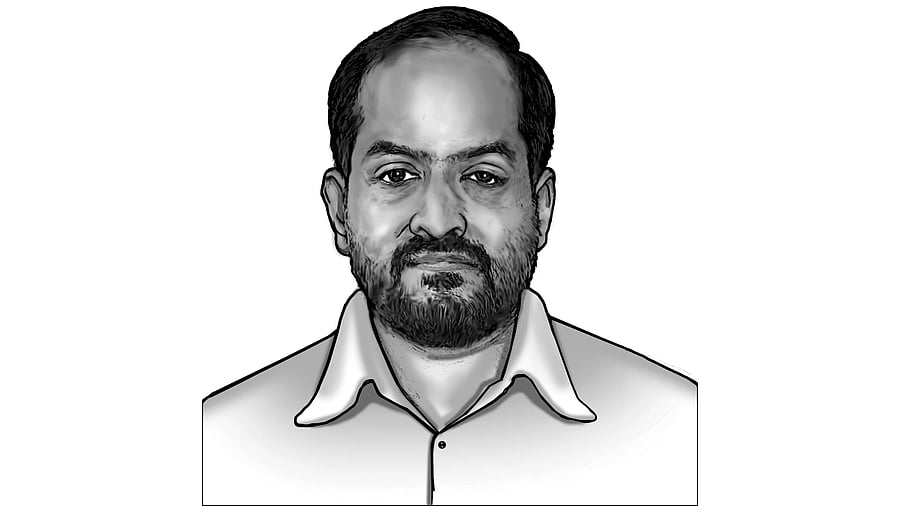
Venkatesh Nayak wakes up every morning thinking someone somewhere is hiding something
Towards the end of November, the International Monetary Fund (IMF) released its annual report on our economic development and policies, appreciating the continued robust growth, despite external headwinds. India is a founding member of this intergovernmental institution, which fosters global monetary cooperation, encourages expansion of trade and economic growth, and discourages policies that, in its opinion, can harm economic prosperity. While reporting on its observations, large parts of our media headlined the ‘C’ rating of our national accounts data because the IMF perceives it as somewhat hampering surveillance.
On December 4, Finance Minister Nirmala Sitharaman called these media reports misleading. She pointed out that the IMF had given a median rating of ‘B’ for all other segments of India’s statistical assessment. The ‘C’ rating was primarily on account of India adopting an outdated base year (2011-12) for calculating national statistics. It is being updated to 2022-23, she told Parliament. But she was silent about the IMF’s other findings that consolidated fiscal data for the Centre and the states had not been published since mid-2019 and that, in the absence of statistics from local governments and the utilisation of extra-budgetary funds, the picture of government expenditure is not complete.
The quality and quantity of sarkari data released in recent years, be it about GDP figures or the unemployment rate or the claims of poverty reduction, have been so severely critiqued by experts and so vehemently defended by the government that citizens like me no longer know what to accept as “the truth”. Thankfully, we have the tools to question these claims and counterclaims about official data.
For example, on December 4 itself, the Ministry of Law and Justice tabled in Parliament case pendency figures from national-level tribunals like the NGT, NCLT, NCLAT, TDSAT, ITAT, CESTAT, and administrative tribunals. The Rajya Sabha was told that 6,904 cases are currently pending before the Armed Forces Tribunal (AFT). A day later, the Lok Sabha was informed about case disposal and pendency figures for all these tribunals, including the AFT, from 2020 to date.
Earlier in August, I had filed an RTI application with the AFT seeking annual case admission, disposal, and pendency data since its inception. The AFT was set up by an Act of Parliament to adjudicate disputes relating to service matters of personnel employed in the Army, Navy, and the Air Force. The AFT is also an appellate forum to challenge court-martial findings and sentences against defence personnel. In March 2021, Parliament was told, more than two-thirds, i.e., 23 out of 34, of judicial and administrative member positions of the AFT were vacant. Today, one-third (11) of the posts are vacant, according to the data tabled in the Rajya Sabha.
Statistics furnished by AFT’s Principal Bench situated in Delhi, covering its own performance and that of the ten regional benches located in various cities across the country, show that the cumulative pendency is 27,692 cases. This is more than three times the figure revealed in Parliament. While the government claimed that 2,460 cases were disposed of in 2020, the AFT revealed only 1,939 cases were disposed of that year. According to the government, the disposal in 2021 was 6,140 cases, but AFT has admitted to only 4,178 cases being disposed of. The government said 6,175 cases were disposed of in 2022 and 9,653 in 2023, but AFT’s disposal figures are 5,927 and 9,322, respectively, for those years. For 2024, the government claimed a disposal of 7,706 cases, but the AFT disclosed a higher figure of 7,793 cases.
While commenting on the discrepancy, a few days ago, I had attributed it to careless reporting by a section of the media, which looked only at the last column containing the 2025 figure tabled in the Lok Sabha on December 5. However, the data tabled in the Rajya Sabha a day earlier shows 6,904 as the cumulative pendency.
What does one make of this data discrepancy? We have not yet quizzed the figures claimed for other tribunals. How reliable are they? Obviously, the government sources such data from the tribunals themselves. Where and why discrepancies creep in is a sarkari secret. Is this because of negligence or deliberate design? In either scenario, this amounts to misleading Parliament. Sadly, the only remedy that any MP can claim is to file a breach of privilege motion, which a committee will rule upon in its own sweet time. By then, the issue would have lapsed from public memory. Should the government not be made more accountable and in real time?
(The writer wakes up every morning thinking someone somewhere is hiding something.)
(Disclaimer: The views expressed above are the author's own. They do not necessarily reflect the views of DH.)