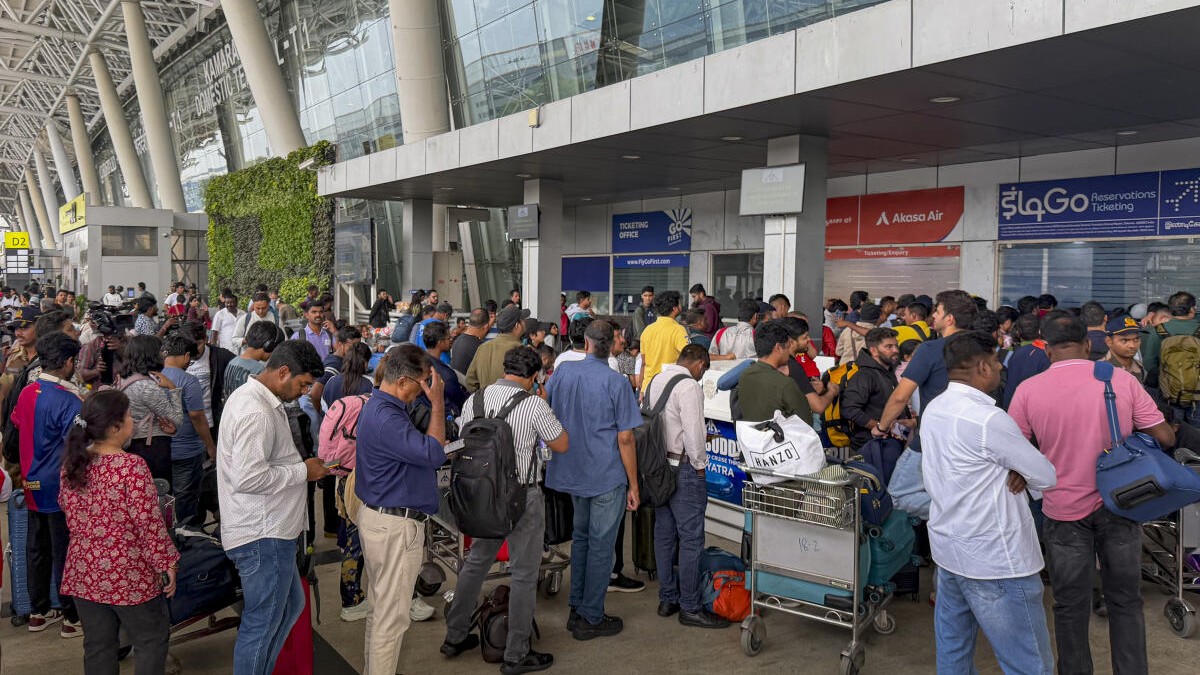
<p class="bodytext">The chaos at the airports, caused by large-scale flight delays and cancellations by IndiGo, India’s largest airline by market share, is the result of poor management of crew deployment norms and flight schedules, and the entire responsibility for the disruptions should go to the airline. In the last few days, over 1,000 flights of the airline, which operates about 1,500 daily flights, were affected by delays and cancellations. The Directorate General of Civil Aviation (DGCA) had last year revised the Flight Duty Time Limitations, and proposed new norms which increased weekly rest periods, changed the definition of night duty, and imposed stricter caps on night operations. Compliance was expected by June, but implementation was deferred to a phased rollout from July 1 to November 1. But this was not done, and the current confusion has arisen from this. The increased winter demand for more schedules added to the problem. </p>.IndiGo cancels over 1,000 flights on Friday; expects situation to normalise by December 10 to 15: CEO.<p class="bodytext">Airlines had more than a year to prepare for the new rules, but it is now clear that implementation was not taken seriously. India’s civil aviation sector has seen big growth in the last few years, and it was necessary to introduce global norms and best practices to ensure the safety of passengers and the crew. Pilot fatigue is a major problem even in the best-managed airlines, and it leads to human error and accidents. The new norms called for enhanced crew hiring and training programmes by the airlines. Airlines in India have seen high fleet growth. These need to be supported by an adequate crew and other facilities for providing the best service to passengers. The pilots’ union has said that “prolonged and unorthodox lean manpower strategy across all departments, particularly inflight operations” has led to the current situation. The airline has been accused of imposing a hiring freeze, and the union has urged the DGCA not to approve airlines’ seasonal flight schedules unless they have adequate staff to operate their services “safely and reliably”. It has also accused IndiGo of arm-twisting the DGCA to dilute the norms. The DGCA has rolled back some orders, but their effect is yet to be seen. </p>.<p class="bodytext">The Indian civil aviation sector is under a duopoly with IndiGo and Air India operating over 90% of all domestic flights. More airlines and better competition among them might have helped to avoid such a situation in which passengers are sitting ducks and are hugely inconvenienced. The problem should be resolved at the earliest, and passengers should be spared inconvenience and suffering. The DGCA’s appointment of a four-member committee to review the circumstances leading to this chaos is a good move, but it is at fault for not monitoring the implementation of the new norms, which were in the interest of the industry <br />and the passengers.</p>
<p class="bodytext">The chaos at the airports, caused by large-scale flight delays and cancellations by IndiGo, India’s largest airline by market share, is the result of poor management of crew deployment norms and flight schedules, and the entire responsibility for the disruptions should go to the airline. In the last few days, over 1,000 flights of the airline, which operates about 1,500 daily flights, were affected by delays and cancellations. The Directorate General of Civil Aviation (DGCA) had last year revised the Flight Duty Time Limitations, and proposed new norms which increased weekly rest periods, changed the definition of night duty, and imposed stricter caps on night operations. Compliance was expected by June, but implementation was deferred to a phased rollout from July 1 to November 1. But this was not done, and the current confusion has arisen from this. The increased winter demand for more schedules added to the problem. </p>.IndiGo cancels over 1,000 flights on Friday; expects situation to normalise by December 10 to 15: CEO.<p class="bodytext">Airlines had more than a year to prepare for the new rules, but it is now clear that implementation was not taken seriously. India’s civil aviation sector has seen big growth in the last few years, and it was necessary to introduce global norms and best practices to ensure the safety of passengers and the crew. Pilot fatigue is a major problem even in the best-managed airlines, and it leads to human error and accidents. The new norms called for enhanced crew hiring and training programmes by the airlines. Airlines in India have seen high fleet growth. These need to be supported by an adequate crew and other facilities for providing the best service to passengers. The pilots’ union has said that “prolonged and unorthodox lean manpower strategy across all departments, particularly inflight operations” has led to the current situation. The airline has been accused of imposing a hiring freeze, and the union has urged the DGCA not to approve airlines’ seasonal flight schedules unless they have adequate staff to operate their services “safely and reliably”. It has also accused IndiGo of arm-twisting the DGCA to dilute the norms. The DGCA has rolled back some orders, but their effect is yet to be seen. </p>.<p class="bodytext">The Indian civil aviation sector is under a duopoly with IndiGo and Air India operating over 90% of all domestic flights. More airlines and better competition among them might have helped to avoid such a situation in which passengers are sitting ducks and are hugely inconvenienced. The problem should be resolved at the earliest, and passengers should be spared inconvenience and suffering. The DGCA’s appointment of a four-member committee to review the circumstances leading to this chaos is a good move, but it is at fault for not monitoring the implementation of the new norms, which were in the interest of the industry <br />and the passengers.</p>